
Why Color and Material Choice Matters in Compact Spaces
Small kitchens and bathrooms aren’t just challenging to renovate — they’re opportunities to showcase smart design. The colors you choose and the materials you select directly affect how spacious your room feels, how easy it is to maintain, and whether your space works for your lifestyle. We’re not talking about trendy colors that’ll feel dated in three years. We’re talking about strategic choices that actually expand your space visually.
In Tuen Mun’s humid climate, material selection becomes even more critical. Moisture, temperature swings, and salt air from the harbor demand finishes that won’t deteriorate quickly. The best material in theory doesn’t help if it starts peeling in six months.
Understanding Color Psychology in Confined Spaces
Light colors work in small spaces because they reflect light, making rooms feel airier. But it’s not just about going all-white. That’s actually boring and impractical — every fingerprint shows, grout lines look harsh, and you’ll feel like you’re in a sterile clinic rather than your own home. The trick is using soft, warm neutrals that work with your natural light while staying easy to maintain.
Warm whites (with slight yellow or beige undertones) work better than cool whites for bathrooms and kitchens in Hong Kong. They feel inviting and actually hide dust and minor stains better than pure white. Off-whites like cream, soft taupe, or warm gray — these colors make spaces feel bigger without being impersonal.
Color Strategy for Small Kitchens
- Keep walls at 70-80% light tones to maximize perceived space
- Add accent color on one wall or lower cabinets for visual interest
- Match ceiling color to walls to blur the room’s boundaries
- Use the same color family for floor and wall baseboards
Material Selection That Actually Lasts
Here’s what we’ve learned from 16 years of renovations in Tuen Mun: cheap materials fail in small spaces. When your kitchen or bathroom is compact, every surface is visible. A worn finish on a 4-square-meter bathroom is catastrophic. On a 20-square-meter open plan, you can hide it behind furniture.
Ceramic tile remains the gold standard for both kitchens and bathrooms. It’s durable, easy to clean, and handles humidity without warping. For countertops in small kitchens, engineered stone (quartz) outperforms natural stone because it doesn’t need sealing every few months. In Hong Kong’s climate, you don’t want maintenance headaches.
Flooring for Wet Areas
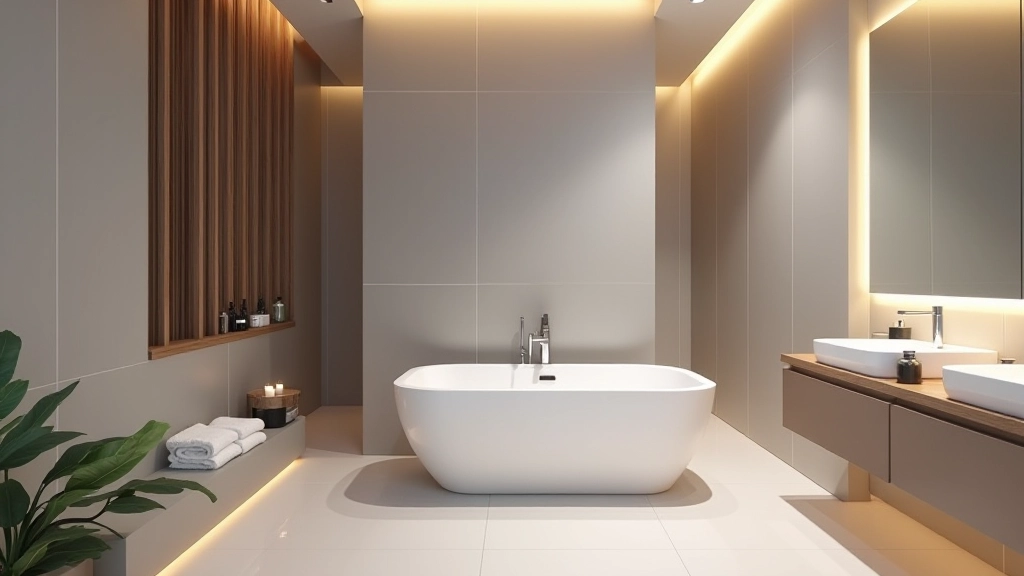
Porcelain tile (not ceramic) performs better in bathrooms because it’s denser and less porous. Choose matte finishes over glossy — they’re safer underfoot when wet and don’t show water spots. Light gray or warm beige tiles are practical choices. They hide dirt between cleanings but don’t look sterile.
For small bathrooms, 300mm 300mm tiles work better than large format. Smaller tiles create visual rhythm without overwhelming the space. They also require fewer cuts around fixtures, which saves money.
Countertop and Backsplash Combinations That Work
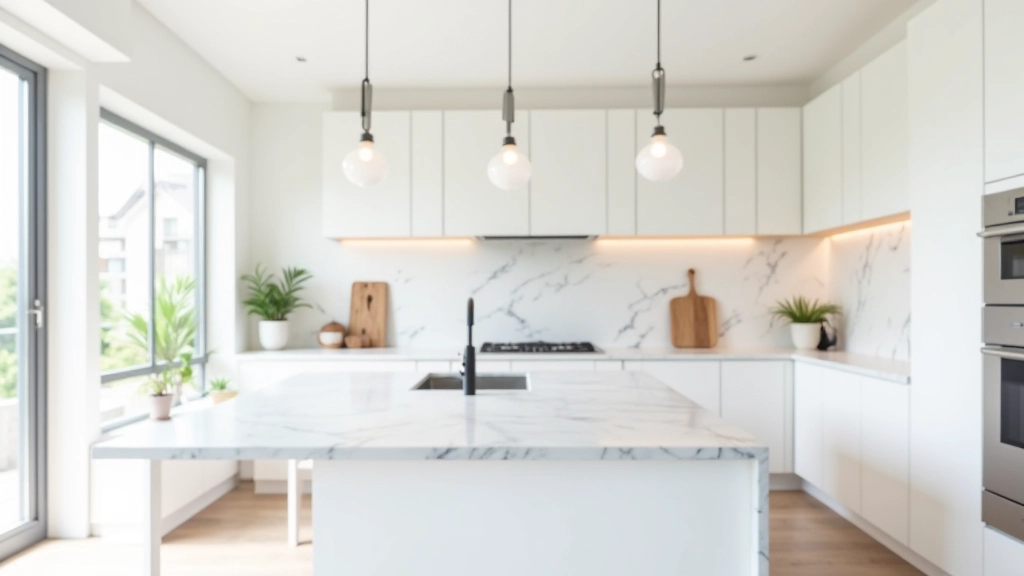
In small kitchens, your countertop and backsplash take up a lot of visual real estate. Don’t fight it — use it strategically. A light countertop with a matching or slightly lighter backsplash creates visual continuity, making the space feel larger. It’s the opposite of the old design rule “contrast everything.” Here, cohesion wins.
Engineered stone countertops come in hundreds of colors, but stick with light, uniform finishes. Heavily veined stone looks busy in confined spaces. For backsplashes, subway tile in light grout remains unbeatable for small kitchens. It’s clean, timeless, and doesn’t date. You’re not making a fashion statement with a 1.5-meter backsplash — you’re creating a functional background.
Cabinet Colors That Expand Visual Space
Painted cabinets in light colors (soft white, warm gray, pale blue) work better than dark wood in small kitchens. You’ll see this in every modern compact kitchen renovation. Light cabinets make appliances disappear visually, creating a cleaner overall impression.
Matte finishes on cabinet doors hide fingerprints and dust better than gloss. In a 3-square-meter kitchen, you’re wiping down surfaces constantly — matte is more practical. If you want subtle shine, opt for satin finish, which reflects just enough light without showing every touch.
Paint Finishes and Wall Treatments
The finish of your paint matters more than the color itself. Matte paint hides imperfections but stains easily. Satin finish is the sweet spot for kitchens and bathrooms — it’s wipeable, doesn’t show dust, and reflects light gently. We’ve used satin paint on thousands of Tuen Mun renovations. It holds up better than matte and costs barely more.
Skip textured walls in small spaces. Texture absorbs light and makes rooms feel smaller. Smooth, painted walls create that sense of openness you’re after. If you want visual interest, add it through materials (tile, wood trim) or lighting, not through wall texture.
Humidity-Resistant Materials for Hong Kong Climates
Tuen Mun sits right on the coast. Humidity averages 75-80% year-round. Materials that work fine in Kowloon City fail here. You need products rated for high-humidity environments. Bathroom walls should be painted with epoxy or polyurethane-based products designed for wet areas, not regular interior latex paint. It’s a small price difference but saves you from mold and peeling within 18 months.
Ventilation is part of material selection. Install exhaust fans with timers (run them for 30 minutes after showers). Moisture control prevents material failure, which means your color and finish choices actually last.
Pro Tips from 16 Years of Hong Kong Renovations
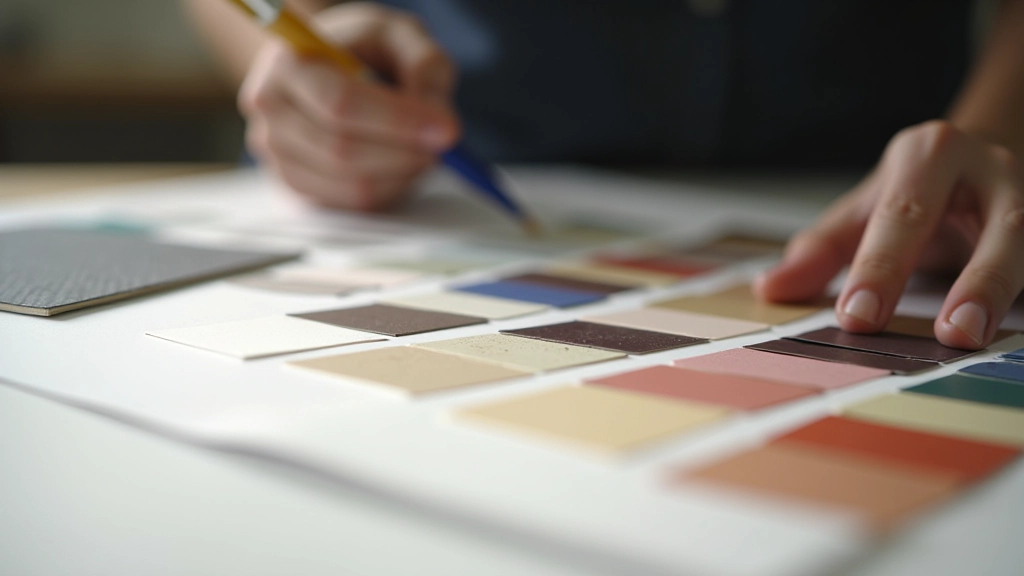
- Order samples of paint colors and materials. See them in your actual lighting at different times of day. What looks great in a showroom looks different under your kitchen’s lights.
- Choose grout color carefully. Light grout shows dirt; dark grout looks harsh in small spaces. Mid-tone gray is the practical choice that doesn’t compromise visual space.
- Invest in quality sealer for any natural stone. In humid climates, cheap sealer fails within a year. It’s not worth the frustration.
- Test materials for moisture absorption. Ask your supplier for water absorption rates. Anything above 0.5% is risky for Tuen Mun’s climate.
Creating Visual Depth Without Color Clashing
You don’t need multiple colors to create interest. Varying the finish (matte vs. satin, smooth vs. textured materials) creates visual depth without making the space feel fragmented. A wall of matte paint next to glossy tile next to satin cabinet doors — your eye registers these differences without feeling chaotic.
Lighting is your secret weapon. Bright, even lighting makes colors read accurately and makes spaces feel bigger. In a small bathroom, recessed lighting plus a bright vanity light transforms the space. The same colors that feel dingy under poor lighting feel fresh and clean under proper lighting.
Material Durability Timeline
Ceramic tile: 20+ years if grout is sealed and maintained. Engineered stone countertops: 15-20 years with proper care. Quality paint finishes in bathrooms: 5-7 years before needing touch-ups in high-humidity areas. Cheaper materials fail within 2-3 years in Tuen Mun’s climate.
Maintenance Considerations That Shape Your Choices
The best material is the one you’ll actually maintain. In small spaces, neglect is visible. A bathroom tile floor you don’t clean weekly looks filthy. So choose materials that fit your lifestyle. If you’re not sealing stone monthly, don’t use marble. If you won’t wipe down glossy surfaces, don’t install gloss paint. This isn’t laziness — it’s being realistic about what you’ll do.
Porcelain tile requires minimal maintenance. Wipe it weekly, seal grout annually. Engineered stone countertops need a spray-and-wipe routine but no sealing. These are your low-maintenance choices. Natural stone, wood, and high-gloss finishes demand more attention. Nothing wrong with that if you’re committed.
Conclusion: Making Choices That Work for You
Selecting colors and materials for small spaces comes down to three principles: light colors expand visual space, durable materials handle Hong Kong’s humidity, and finishes that match your maintenance routine last longer. You’re not designing a showroom — you’re creating a functional space you’ll use daily for the next 10-15 years.
Start with these foundations: warm neutrals on walls, porcelain tile for wet areas, engineered stone for countertops, and matte or satin finishes throughout. Add personality through lighting and hardware, not through complicated color schemes. The most beautiful small kitchens and bathrooms we’ve renovated in Tuen Mun are the ones that feel effortless because they’re based on these practical principles.