
Understanding the Work Triangle
The work triangle is the foundation of kitchen design. It’s the imaginary line connecting your refrigerator, stove, and sink — the three points you’ll visit most when cooking. The idea is simple: minimize the distance between these three appliances so you’re not constantly walking back and forth.
You’ll want the total distance between all three points to be between 15 and 26 feet. Too small and you’re cramped. Too large and you’re exhausted after preparing a single meal. Most kitchens work best when no single leg of the triangle exceeds 9 feet.
There’s a reason this concept has lasted 80 years — it actually works. Once you understand this principle, you’re halfway to designing a kitchen that feels natural to use.
Maximizing Storage Without Clutter
Storage is where kitchens succeed or fail. You need space for everything — pots, pans, utensils, pantry items, small appliances — but it shouldn’t feel like you’re working in a warehouse.
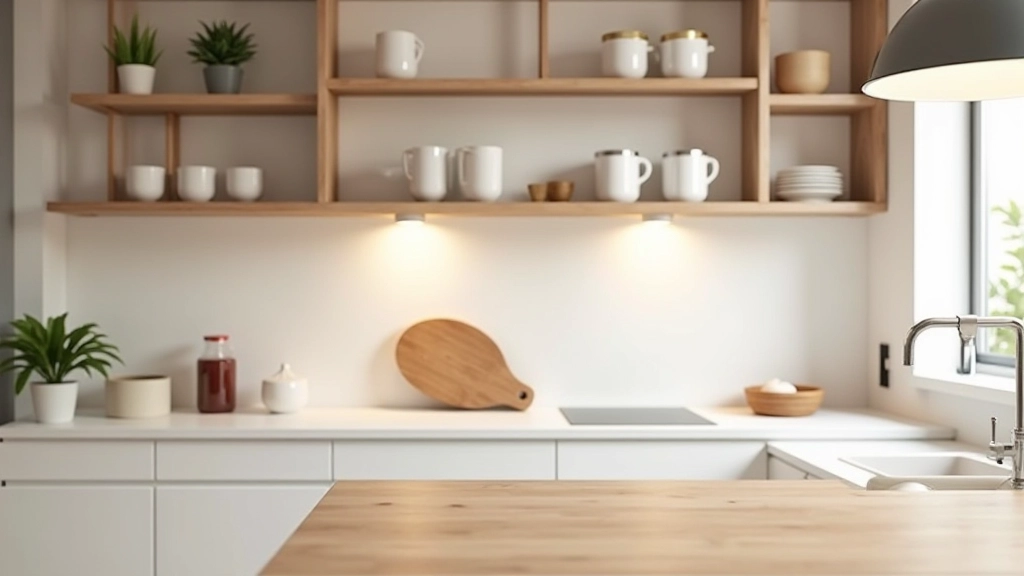
Vertical storage is your best friend. Don’t just think about cabinet height. Think about pull-out shelves inside cabinets, wall-mounted racks above counters, and deep drawers instead of traditional shelving. A single deep drawer holds more than three shallow shelves and you’ll actually be able to find things.
The rule we teach: keep items you use daily at eye level or within arm’s reach. Specialty equipment and rarely-used serving dishes? Those go higher up or in deeper storage. This isn’t complicated, but it transforms how you experience the space.
Traffic Flow and Movement Patterns
Kitchen layout isn’t just about the cooking area. It’s about how people move through the entire space. You’ve probably experienced a kitchen where you’re constantly bumping into someone or squeezing past them. That’s a traffic flow problem.
The main work zone — where you prep and cook — should be separate from the pathway people use to walk through your kitchen. If you’re plating food and someone needs to get to the dining room, they shouldn’t have to squeeze past you at the stove.
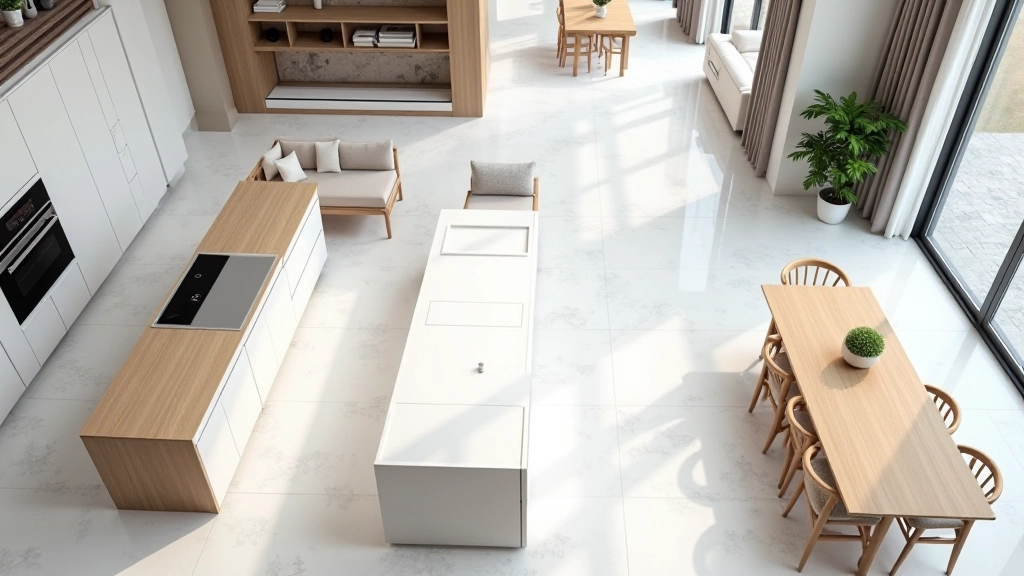
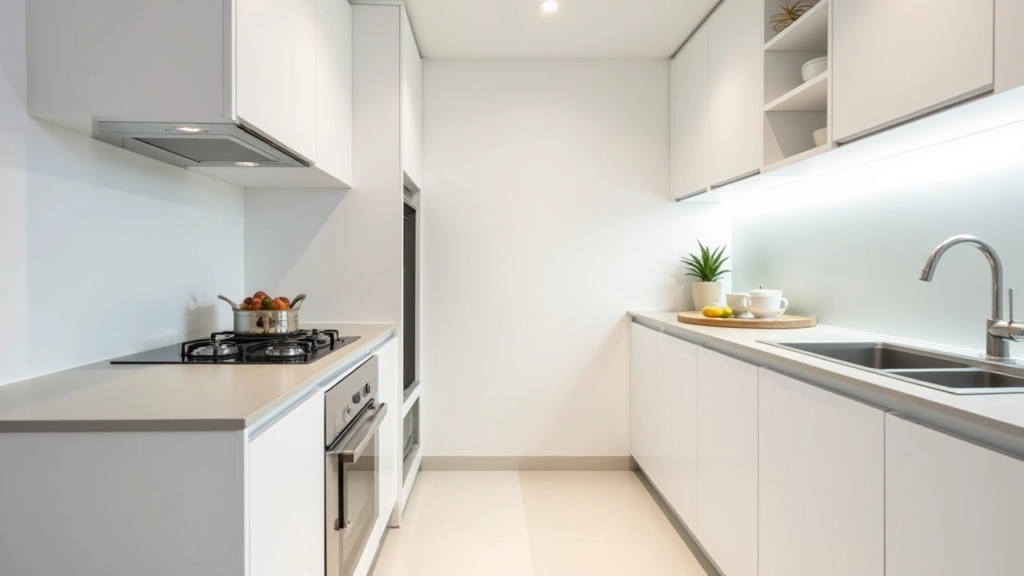
In tight spaces, consider a galley layout (two parallel counters facing each other). It’s efficient and keeps the cook in their own zone. In larger kitchens, you’ve got room for an island that creates natural separation between cooking and circulation.
Common Layout Mistakes We See
- Undersized countertop space. You need at least 36 inches of counter width for prep work. Less than that and you’re constantly moving things around.
- Poor lighting placement. Task lighting over the sink and stove isn’t optional. You’re working with sharp knives and hot surfaces — you need to see what you’re doing.
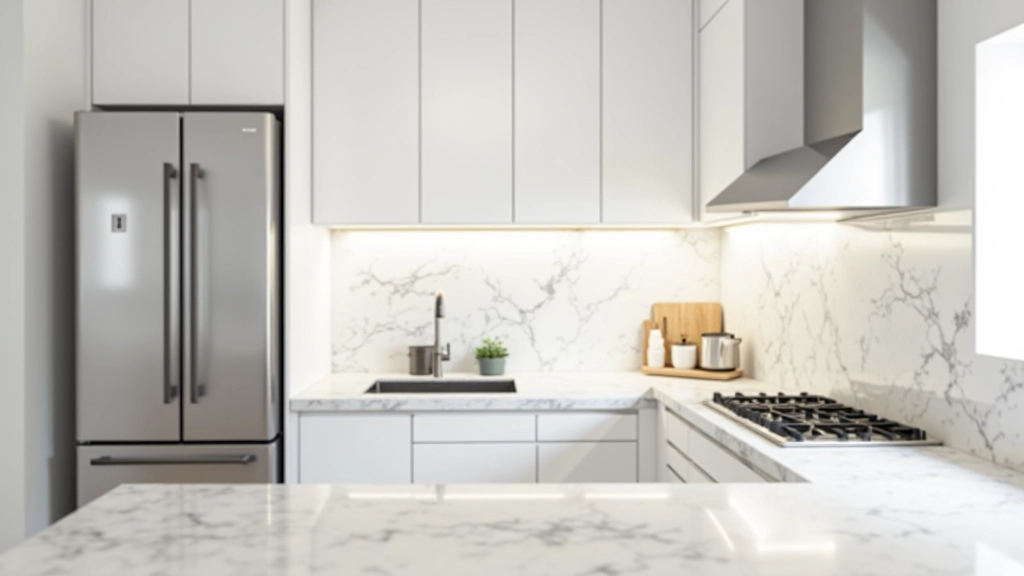
- Appliance placement without thinking about doors. If your fridge door swings into the walkway, you’ve created a hazard. Always consider door swing patterns.
- Ignoring natural light. Kitchens with windows feel bigger and more pleasant. Don’t block windows with upper cabinets if you can avoid it.
Designing for Different Kitchen Sizes
Not everyone’s working with a sprawling open-concept kitchen. Many of us are designing around real constraints — limited square footage, fixed walls, or existing infrastructure we can’t change.
In small kitchens, the galley layout works brilliantly. Two parallel counters with the work triangle compressed into 8-10 feet. You’re not taking long steps, everything’s within reach. The single walkway through the middle keeps traffic separate from your cooking zone.
L-shaped kitchens suit medium-sized spaces. One leg has your main prep area, the other has your cooking and cleanup. The corner naturally creates a turning point without feeling cramped.
U-shaped and island kitchens need more square footage, but they’re worth it if you’ve got the space. Three walls of storage and counter space, plus an island for additional work surface and seating. These layouts really shine when you’ve got 150+ square feet to work with.
Bringing It All Together
Kitchen design isn’t about following rigid rules blindly. It’s about understanding the principles — the work triangle, traffic flow, storage efficiency — and adapting them to your actual space and how you cook.
Start by measuring your current kitchen and plotting the work triangle. Look at how you actually move when you’re cooking. Where do you get frustrated? Where do you wish you had more space? Those observations are more valuable than any design rule.
Whether you’re renovating an existing kitchen or planning a new build, these fundamentals will guide you toward a space that’s both beautiful and genuinely pleasant to use. That’s what good kitchen design really is — a space that works so well you forget you’re thinking about it.
Disclaimer
This article provides general educational information about kitchen layout design principles. Every kitchen renovation project is unique and depends on factors like building codes, structural limitations, local regulations, and your specific needs. Always consult with a qualified architect, designer, or contractor before making structural changes or major renovations. Building permits and professional inspections may be required in your area. The information presented here is for learning purposes and doesn’t replace professional design consultation.