Bathroom Renovation Planning Guide
Master the essential steps for planning a successful bathroom renovation—from budgeting and fixture selection to waterproofing and project management.

Why Planning Makes All the Difference
Most bathroom renovations fail because people jump straight into demolition without a solid plan. That’s when you discover hidden mold, structural issues, or you’ve already spent half your budget before deciding on fixtures. It doesn’t have to be this way.
We’re going to walk you through every major decision you’ll need to make—and in what order. You’ll understand your budget constraints, know exactly what materials work in Hong Kong’s humid climate, and have a realistic timeline before you break down that first wall. The renovation will go smoother because you’ve already thought through the tough questions.
Step 1: Establish Your Budget & Timeline
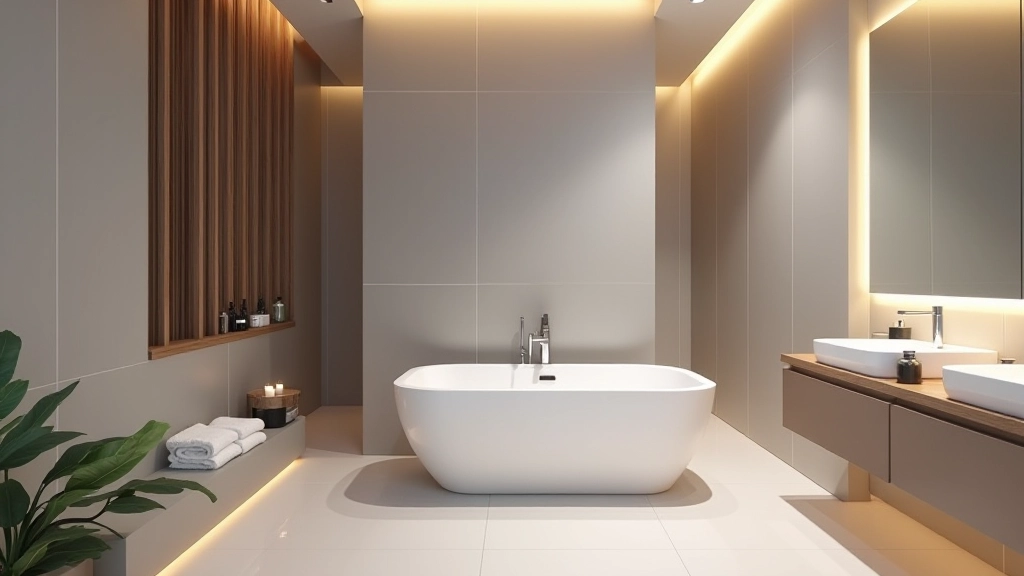
This is the foundation of everything. A small bathroom refresh (new fixtures, paint, minor updates) typically runs 8,000–15,000 HKD. A mid-range renovation with new tiles, plumbing, and vanity? You’re looking at 20,000–40,000 HKD. Full gut renovations with structural changes can exceed 60,000 HKD.
Here’s what people get wrong: they allocate 60% to visible things (tiles, vanity, mirror) and forget about the hidden costs. Waterproofing, ventilation, plumbing upgrades—these don’t look fancy but they’re what keeps your bathroom functional for 10+ years. We’d recommend splitting your budget roughly like this: 30% waterproofing and structure, 25% plumbing and electrical, 25% finishes (tiles, fixtures, paint), and 20% contingency for surprises.
Timeline-wise, don’t assume a small bathroom takes 2 weeks. In Hong Kong, even small jobs face delays—materials come from different suppliers, inspectors need to approve work, and humidity affects drying times. Plan for 4-8 weeks minimum for a proper job. Plus, you’ll need a temporary solution for showering, which affects your comfort during the project.

Step 2: Select Fixtures & Materials for Hong Kong Climate
Hong Kong’s humidity isn’t something you can ignore. If you pick the wrong materials, you’ll have mold within 18 months. The good news? There are proven solutions that work here.
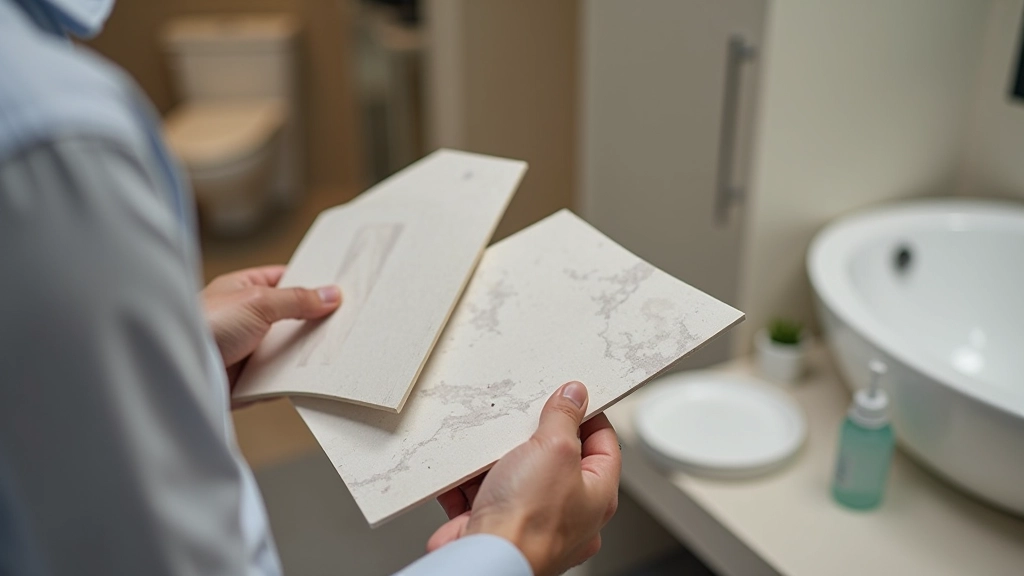
For walls, you’ve got three main options. Porcelain tiles (rated at least PEI 3) are durable and genuinely moisture-resistant—most designers recommend 300x600mm or 600x600mm sizes because larger tiles mean fewer grout lines where mold hides. Vitreous glass tiles look sleek and don’t absorb water at all, though they’re pricier. Avoid regular ceramic tiles—they absorb moisture like a sponge and’ll fail in 5 years.
For the floor, you’ll want anti-slip porcelain tiles—something rated R11 or higher so you don’t slip when it’s wet. Marble and natural stone look beautiful but they’re porous, stain easily, and require professional sealing every 2-3 years. If you love the look, at least seal it properly or you’ll regret it.
Grout matters more than people think. Use epoxy grout (not cement) for wet areas—it doesn’t absorb water and resists mold growth. The extra cost upfront saves you from scrubbing moldy grout every month.
Step 3: Waterproofing—The Hidden Critical Layer
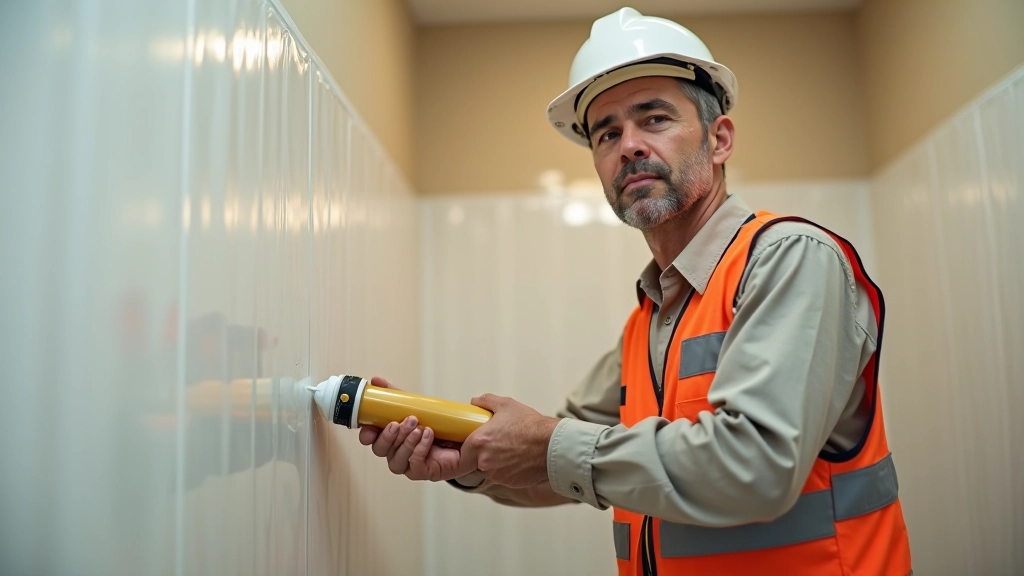
This is where most DIY renovations fail. You’ll see beautiful new tiles and think “the job’s done,” but if waterproofing isn’t installed correctly, water seeps behind the tiles and rots the structure underneath. By the time you notice the damage, you’re looking at tens of thousands in repairs.
The shower area especially needs attention. Spray patterns go wider than you’d expect—water hits walls 2 meters away from the showerhead. That entire zone needs proper waterproofing, not just the immediate shower enclosure. The best approach is a 2-layer system: first, a cement board or reinforced backing (not drywall—it dissolves in moisture), then a liquid waterproof membrane applied in two coats with overlap on seams. Floor drains need a proper sloped substrate so water doesn’t pool under the tiles. Get this wrong and you’ll have mold problems within months.
Many contractors rush waterproofing because clients don’t see it. Don’t let that happen. Spend time here. It’s 15-20% of your total budget but prevents 80% of future problems.

Step 4: Ventilation & Plumbing Layout
Ventilation gets overlooked but it’s absolutely essential in Hong Kong. Without proper airflow, moisture lingers and creates the perfect environment for mold. You’ll need an exhaust fan rated for your bathroom size—typically 20-30 cubic meters per hour for small bathrooms, up to 50+ for larger ones. Make sure it vents outside (not into the attic or another room), and install a humidistat-controlled fan so it runs when moisture levels spike.
For plumbing, this is when you decide on fixture locations. Moving pipes isn’t as expensive as people fear (usually 3,000–8,000 HKD depending on distance), but you need to plan it before demolition starts. Think about where you actually want your toilet, sink, and shower. A poorly positioned toilet or sink makes the space feel cramped even if it’s technically functional. Rough-in the plumbing with future maintenance in mind—make sure you can access shut-off valves without removing cabinetry.
Hot water supply matters too. If your bathroom’s far from the main heater, you’ll wait ages for hot water. Some renovations include a small point-of-use heater near the shower—it’s not expensive and saves you from standing in the cold waiting for water to warm up.
Step 5: Lighting, Storage & Final Details
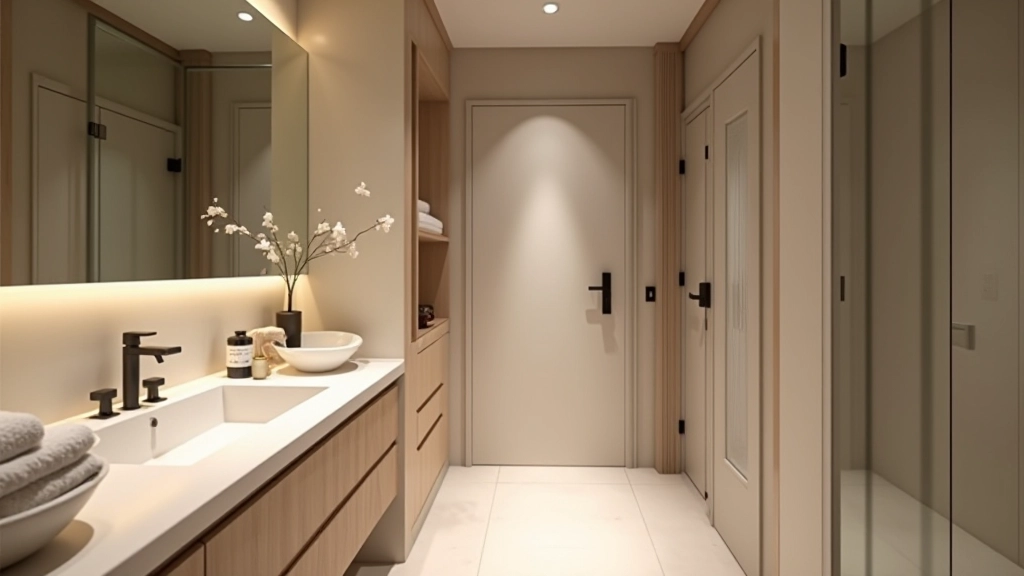
Lighting transforms a bathroom. Most people install one overhead light and wonder why the space feels gloomy. You’ll want layered lighting: ambient (ceiling), task (around the mirror for grooming), and accent (maybe a warm light near the bathtub). LEDs are standard now—they’re efficient, run cool, and last for years. Recessed lights work well in small spaces because they don’t protrude.
Storage planning should happen before you finalize the layout. Built-in niches in the shower (for shampoo bottles), floating vanities (gives the illusion of more space), and wall-mounted cabinets all save space in compact bathrooms. Think about what you actually store in the bathroom and design around it rather than stuffing everything under the sink.
Finally, don’t skip on hardware and finishes. A cheap vanity handle or faucet fails quickly in humid conditions. Stainless steel, chrome, and brushed nickel resist corrosion. Avoid brass in bathrooms—it tarnishes and needs constant polishing. Your paint should be moisture-resistant (semi-gloss or satin, not matte). These small choices add 2-3 years to the lifespan of your renovation.
Your Renovation Planning Checklist
Set realistic numbers with 20% contingency buffer
Choose moisture-resistant tiles, epoxy grout, quality fixtures
Double-layer system with proper membrane application
Exhaust fan sizing and fixture location finalized
Layered lighting design and storage solutions planned
The Path Forward
Bathroom renovations don’t have to be stressful. The difference between a project that goes smoothly and one that turns into a nightmare is planning. When you know your budget, you’ve selected the right materials for Hong Kong’s climate, you’ve prioritized waterproofing, and you’ve thought through plumbing and ventilation, the actual work becomes straightforward.
Start with these five steps. Work through them methodically. Ask questions—don’t assume your contractor has thought through every detail. A good contractor will welcome your engagement and be able to explain exactly why they’re recommending certain materials or approaches.
The bathroom you end up with will be functional, beautiful, and built to last. That’s worth the planning effort upfront.
Educational Information Disclaimer
This guide provides general educational information about bathroom renovation planning. Specific costs, timelines, and material recommendations may vary based on your location, building structure, local regulations, and contractor expertise. Always consult with licensed contractors, engineers, and local authorities to ensure compliance with building codes and safety standards. This information is not a substitute for professional advice tailored to your specific project.
Related Articles